 Black Forest Germany Forest Plants
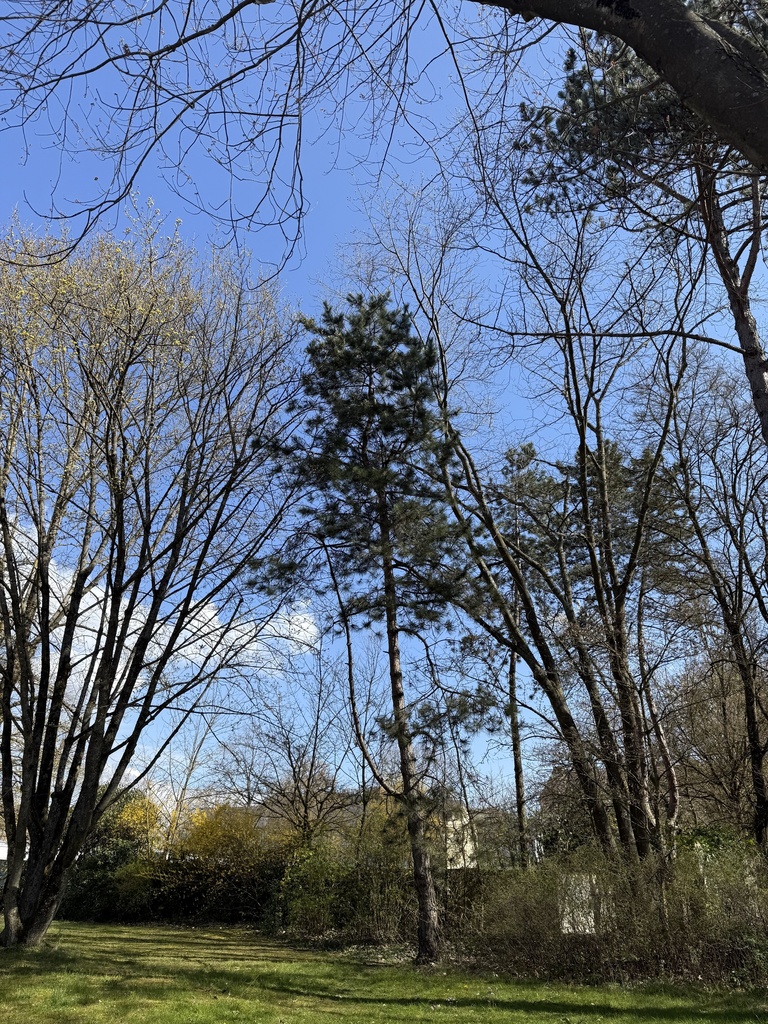
What is this?
Scots Pine Pinus sylvestris
A hardy pine found on drier ridges and older clearings; characterized by paired needles and orange-brown flaky bark in the crown. It tolerates poorer soils and often forms open, park-like stands in the Black Forest's higher plateaus and exposed slopes.
Look for needles in pairs (2 per fascicle), 3–7 cm long, and the distinctive orange-brown flaking bark high on the trunk. Cones are asymmetric and retained on lower branches for several years.
Common Confusions
- Norway Spruce Picea abies Spruce needles are single and attached to pegs; spruce has a conical silhouette with drooping branchlets.
- Scots Pine Varieties Pinus sylvestris Different regional Scots pines vary in bark coloration and needle length; check paired needles and bark pattern for confirmation.
- Lodgepole Pine Pinus contorta Lodgepole has different bark texture and cone morphology; it is less common and usually planted, with different needle stiffness.
- Common Juniper Juniperus communis Juniper is a shrub with scale or awl-shaped leaves and produces fleshy berries, not paired needles on tall trunks.
- Silver Fir Sapling Abies alba Young firs show flattened needles and upright cones; pines have paired needles and different cone shapes.