 Amazon Rainforest Wildlife Brazil
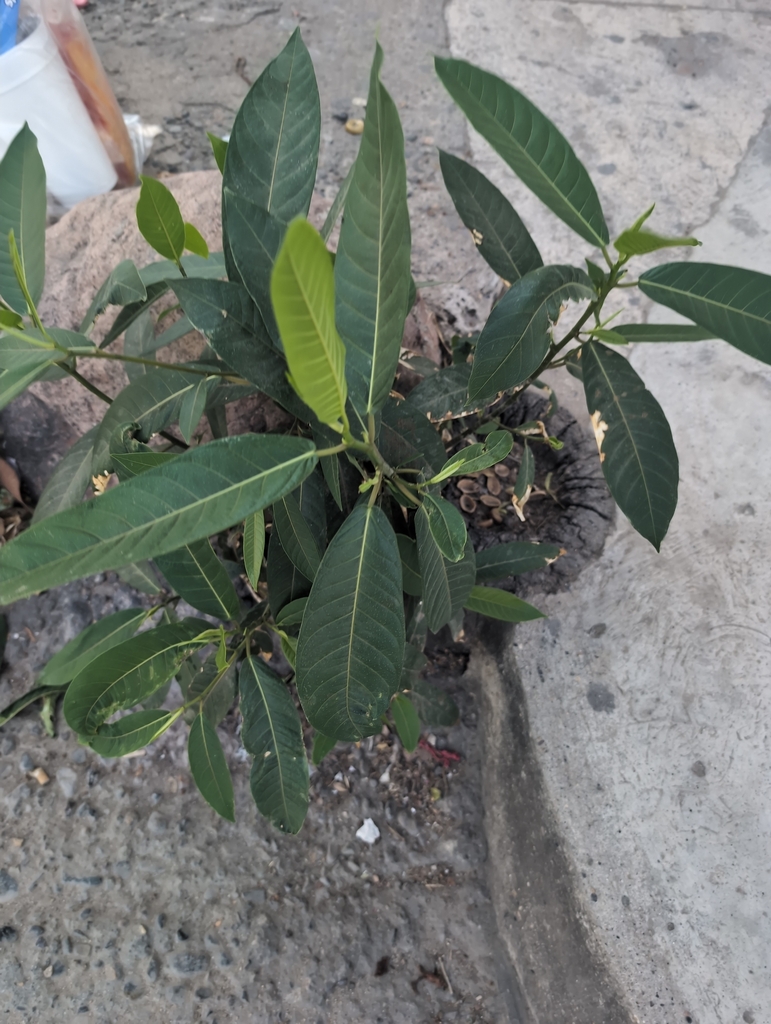
What is this?
Strangler Fig Ficus insipida
A hemiepiphytic fig that begins life in the canopy and sends down aerial roots that fuse and often kill the host tree, creating a lattice trunk and large cavities. In the Amazon these figs are keystone fruiting trees that provide abundant fruit to frugivores across the year, especially in periods of fruit scarcity.
Find a tree with many aerial roots descending and fusing around a host, forming a braided trunk with numerous figs (small round fruits often in clusters); look for indicator frugivores (birds, monkeys) feeding in the crown.
Common Confusions
- Other Ficus Species Ficus spp. Many fig species can be similar—strangler figs are identified by aerial root lattice and hemiepiphytic origin versus free‑standing figs with single trunks.
- Cecropia Cecropia spp. Cecropia are fast‑growing pioneers with palmate leaves and hollow stems inhabited by ants, lacking aerial root networks.
- Kapok Ceiba pentandra Kapok grows as a single emergent trunk with cottony seed pods and buttresses rather than a strangler lattice.
- Rubber Tree Hevea brasiliensis Rubber trees have milky latex and do not produce the aerial root matted trunks characteristic of stranglers.
- Hemiepiphytic Palm Some palms start epiphytically but lack the woody aerial root web and produce palm fronds rather than fig fruit clusters.