 Algonquin Provincial Park Mammals of the Mixed Forest
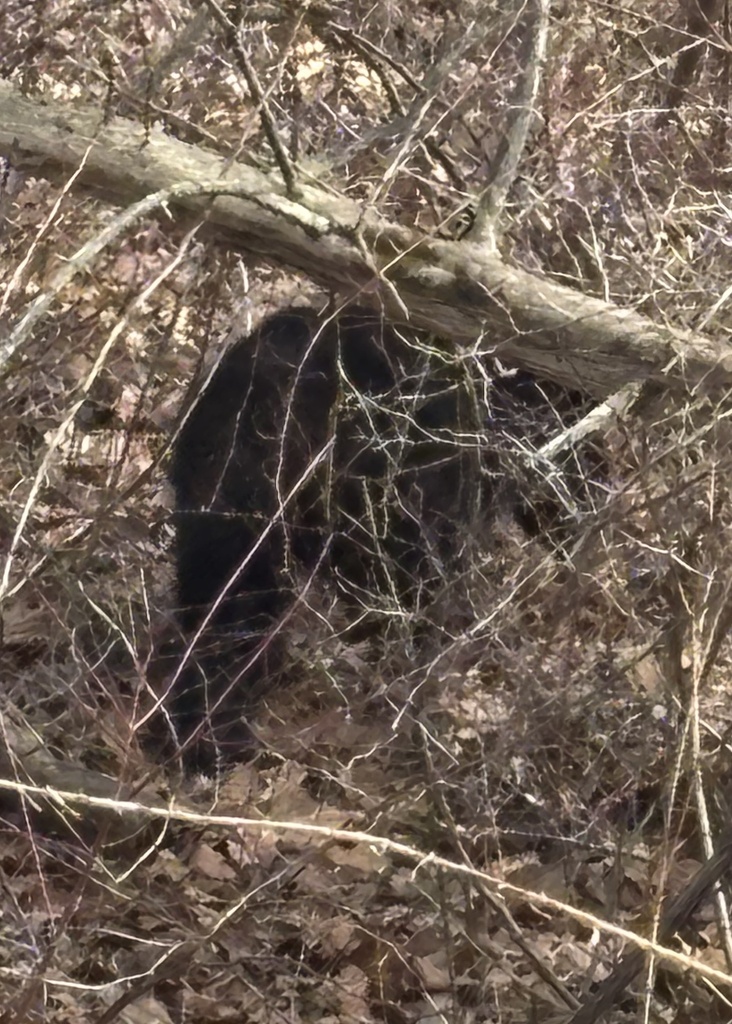
What is this?
American Black Bear Ursus americanus
Black bears are widespread in Algonquin, using mixed forests and lakeshores to forage on berries, nuts, insects and occasional carrion. Individuals show color phases from black to cinnamon; they den in hollow trees or excavated ground sites in winter.
Look for a heavy-bodied mammal with rounded ears set high on the head, a short tail, and strong forelimbs. Color varies; observe size, shoulder profile (no large hump), claw length (shorter than grizzly) and rumbling huffing or tree-climbing behavior.
Common Confusions
- Grizzly Bear Ursus arctos Grizzlies have a pronounced shoulder hump, concave facial profile and longer claws; grizzlies do not occur in Algonquin, so local sightings are almost always black bears.
- Black Bear Cub Ursus americanus Cubs are smaller and may be mistaken for other medium mammals at a distance, but cubs retain bear head shape and gait.
- Raccoon Procyon lotor Raccoons are much smaller, nocturnal, with ringed tails and masked faces; different gait and climbs distinctive.
- Fisher Pekania pennanti Fishers are slender, long-bodied mustelids about the size of a large housecat or small dog—very different body shape and movement from bears.
- Moose Alces alces Moose are far larger ungulates with antlers; confusion is unlikely except in heavily obscured conditions.